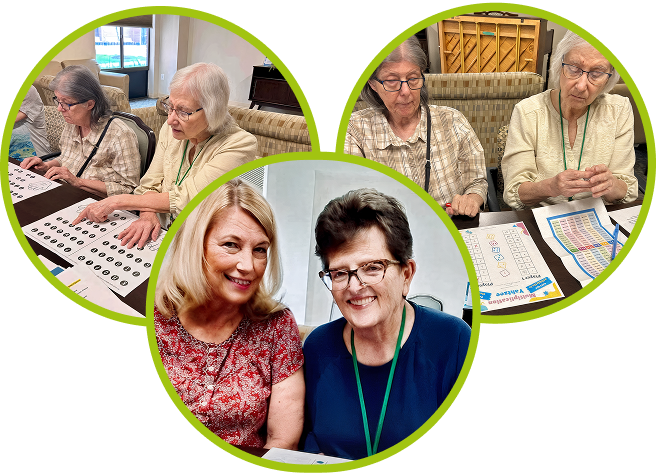

Simple & Fun Brain Fitness for Seniors: Improve Memory and Stay Focused
Your brain isn’t a muscle exactly, but it does appreciate a good workout (especially the kind that involves doodles, wordplay, or dancing in your slippers). Brain fitness for seniors doesn’t need to be a chore or a checklist. It can feel like joy, curiosity, and a bit of silliness, all rolled into your daily routine. Yes, it can be fun!
It’s best to begin before memory loss becomes a concern. Whether you’re looking to stay sharp or help a loved one maintain their memory and focus, there are simple, meaningful ways to get started.
So, what exactly is brain health and fitness? It isn’t about working harder; it’s about engaging the mind in ways that feel good, spark curiosity, and support lifelong cognitive strength in a welcoming, supportive environment. It’s about letting your mind do what it does best: be creative, explore new things, and experience joy.
Why Brain Fitness Matters in Aging
As we age, it’s natural for the brain to process information a bit more slowly or for names and details to slip our minds. These small changes are part of getting older. However, that doesn’t mean we’re powerless. In fact, the brain is remarkably adaptable. Thanks to something called neuroplasticity, it can form new connections and strengthen old ones at any age.
This makes regular brain fitness for seniors so important. Just like staying physically active helps the body, engaging the mind keeps it resilient. The idea of “use it or lose it” really does apply here. Simple, consistent activities can help maintain focus, memory, and even mood, while also lowering the risk of cognitive decline, Alzheimer’s, and dementia.
Think of mindfulness as your brain’s version of a spa day. No cucumbers required. With the right cognitive health tips and support, older adults can continue learning, growing, and staying mentally sharp for years to come. It’s never too early or too late to care for the brain.
How Often Should You Flex Those Brain Muscles?
When it comes to supporting brain health, small daily habits often make the biggest difference. Just like walking every day is better than running once a month, regular light mental activity helps keep the brain engaged and flexible.
For older adults, this means incorporating a little brain stimulation into each day, whether through conversation, puzzles, creativity, or mindful movement. It’s not about pressure or performance, it’s about creating moments of joy, curiosity, and connection.
Brain fitness doesn’t mean sticking to rigid routines, it means taking time to explore, play, and stay engaged. Whether you’re just getting started or looking to build new habits, these cognitive health tips are a gentle and uplifting place to begin.
7 Simple Brain Exercises for Seniors
Keeping the mind active doesn’t have to be complicated. In fact, some of the most effective brain training for seniors is rooted in simple, joyful activities that fit naturally into daily life. Here are seven easy ways to support brain fitness for seniors. Each one is designed to boost memory, focus, and emotional well-being.
Play Word Games and Brain Teasers
Whether it’s Wordle, Scrabble, or arguing with your crossword about whether “aa” is really a word, word games are a great brain boost. They challenge language skills, pattern recognition, and short-term memory. Even a few minutes a day can make a meaningful difference over time. A crossword with morning tea or a quick word puzzle before bed can help keep the brain sharp and engaged.
Get Creative with Expression
When was the last time you picked up a paintbrush or hummed along to a favorite tune? Painting, storytelling, and music appreciation aren’t just fun, they activate different parts of the brain and stir up emotional and sensory memories.
Creative activities also support right-brain engagement, offering a powerful way to connect with yourself and others. Don’t worry, your art doesn’t need to be museum-worthy. Whether you’re painting a sunset or finger-painting with your grandkid, creativity gets the brain buzzing.
Move with Intention
Gentle movement like chair yoga, dancing, or mindful walking increases blood flow to the brain, supports balance, and improves mood. Physical activity is deeply linked to cognitive function and can enhance attention and recall, so make the hallway your catwalk or try a seated shimmy between commercials.
You don’t need a fancy gym membership or a brand new treadmill to make it count. March in place during your favorite song. Waltz through the kitchen while waiting for the kettle to boil. Or turn “water the plants” into your new tai chi practice. If it gets your body moving and your spirits up, it’s brain fitness gold.
Play Memory Match and Reflect
Try this: pull out an old photo, try to name the year (bonus points if you guess the hairstyle), and then tell the story behind it. Memory match meets memoir. Games using family photos, favorite objects, or prompts from past life experiences are a fun way to reinforce memory recall, foster meaningful conversation, and laugh at your outfits. These exercises blend fun with reflection, nurturing emotional memory and a sense of self.
Learn Something New
Your brain loves a surprise. Whether it’s mastering chopsticks, learning to say “hello” in Swahili, or figuring out how to play your favorite song on a secondhand guitar, novelty keeps the mind on its toes.
Picking up a new hobby, instrument, or even just a new recipe encourages the brain to build fresh connections and flex its “adaptability muscles.” It’s not about being great at it, it’s about showing up, being curious, and maybe laughing a little along the way. This type of novelty-based learning can improve focus, confidence, and adaptability, which are important elements in Alzheimer’s and dementia prevention.
Engage in Conversations
Whether through casual chats, storytelling circles, or friendly debates, regular, thoughtful dialogue stimulates verbal memory and encourages connection. It’s a powerful reminder that cognitive strength grows in a community. So, text a friend three random facts you just Googled and see how they reply.
Practice Mindfulness and Breathwork
Breathing exercises, gratitude journaling, or quiet reflection support emotional regulation, reduce stress, and enhance mental clarity. These gentle practices offer meaningful ways to stay mentally sharp after 60 while promoting calm and presence.
These cognitive health tips nurture memory, focus, and joy, one small step at a time.
How to Make Brain Exercise a Daily Habit
Building a habit of brain fitness doesn’t have to be overwhelming. In fact, the most lasting routines are often the simplest. Choose one or two activities you enjoy, and make them part of your day. For instance, do a morning word puzzle with your coffee or take a weekly art class. Consistency matters more than intensity, and joy is key to keeping it going.
Try scheduling “brain time,” setting small, meaningful goals, or joining a group for added motivation. Brain fitness for seniors works best when it feels rewarding, varied, and connected to everyday life.
Thrive Bright is all about whole-person memory care. We believe memory care should feel more like a conversation than a checklist. That’s why our programs blend personalized brain training, creative expression, movement, and meaningful connection to support long-term wellness.
Whether you’re just beginning or looking to deepen your routine, we’re here to help. It’s never too early or too late to care for your mind. If you’re curious about how brain wellness could fit into your life or a loved one’s, get in touch today and let’s talk! Your brain is already incredible. Let’s help it stay curious, colorful, and a little quirky—just like you!